Capabilities
What human-centric capabilities are required for intelligent systems operating in open environments?
Connecting perception, interaction, multimodal reasoning, embodied intelligence, open-world generalization, and reliable evaluation.
Computer vision and AI systems increasingly need to understand people whose actions, interactions, goals, and intentions unfold in complex environments. Progress spans activity understanding, human-object interaction, affordance learning, multimodal grounding, foundation models, embodied intelligence, open-world learning, and reliability evaluation.
HOUR—Human-Centric Open-World Understanding and Reasoning—brings these complementary directions together under a shared goal. The workshop will connect perception, spatial grounding, interaction and intent reasoning, generalization, and reliability diagnosis while encouraging new collaborations across communities.
What human-centric capabilities are required for intelligent systems operating in open environments?
How should visual, linguistic, gestural, and contextual evidence be combined when observations are incomplete or ambiguous?
How should benchmarks reveal when and why systems fail rather than reporting only aggregate accuracy?
Talk titles and the final program will be announced after the workshop schedule is assigned.

Research on computer vision and machine learning, focusing on video understanding, multimodal perception, embodied AI, and visual recognition.
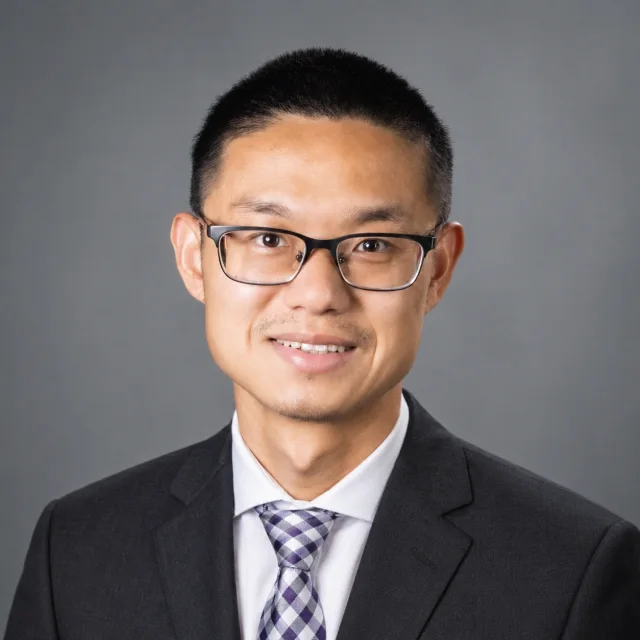
Research on multimodal learning, computer vision, and efficient learning systems, including foundation models, human-centric AI, and privacy-preserving learning.
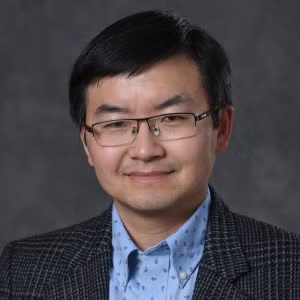
Research on computer vision, machine learning, and biometrics, with a focus on human recognition, face-related analysis, and 3D vision.
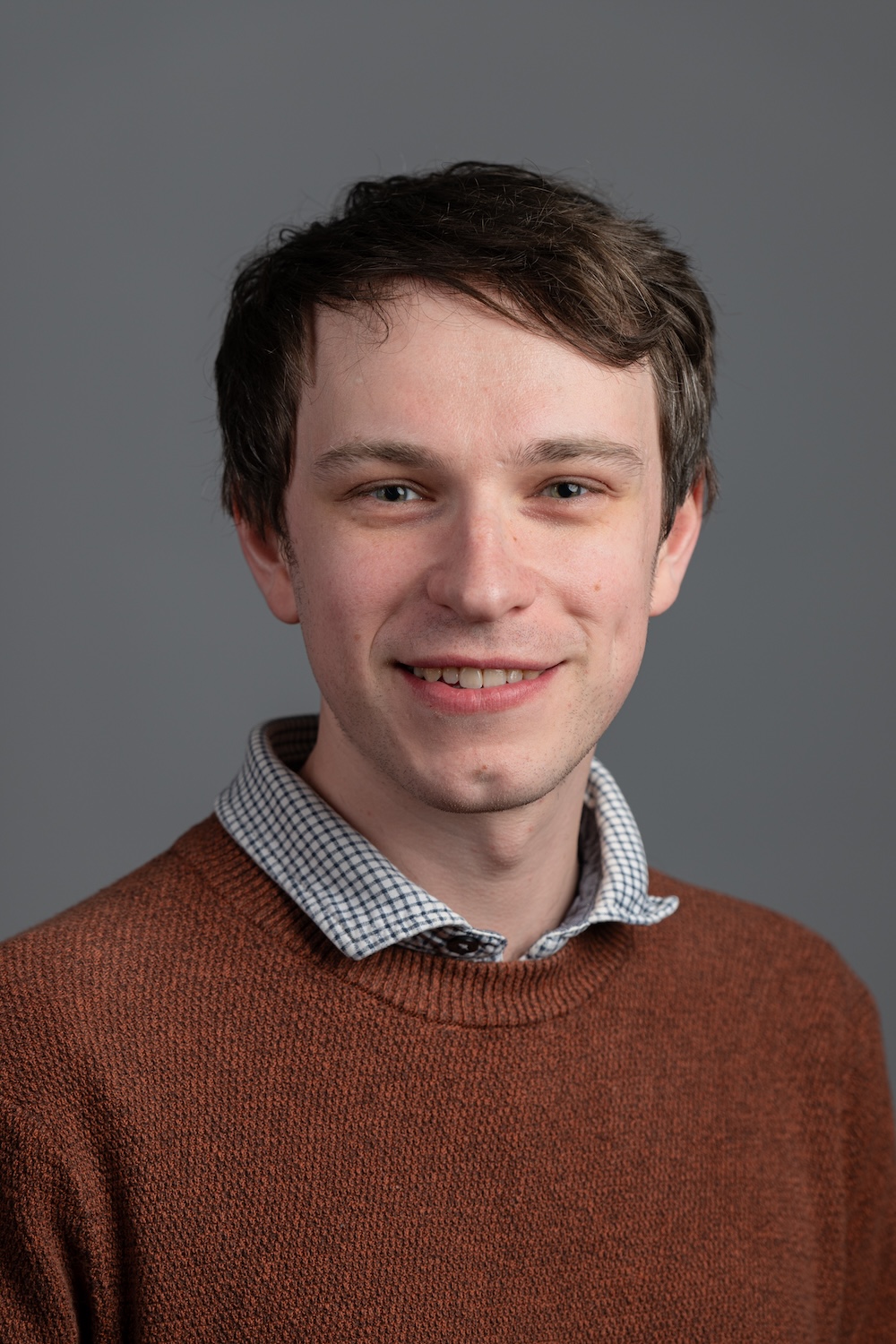
Research on multimodal video understanding, particularly egocentric video and vision-language methods for retrieval, grounding, and captioning.
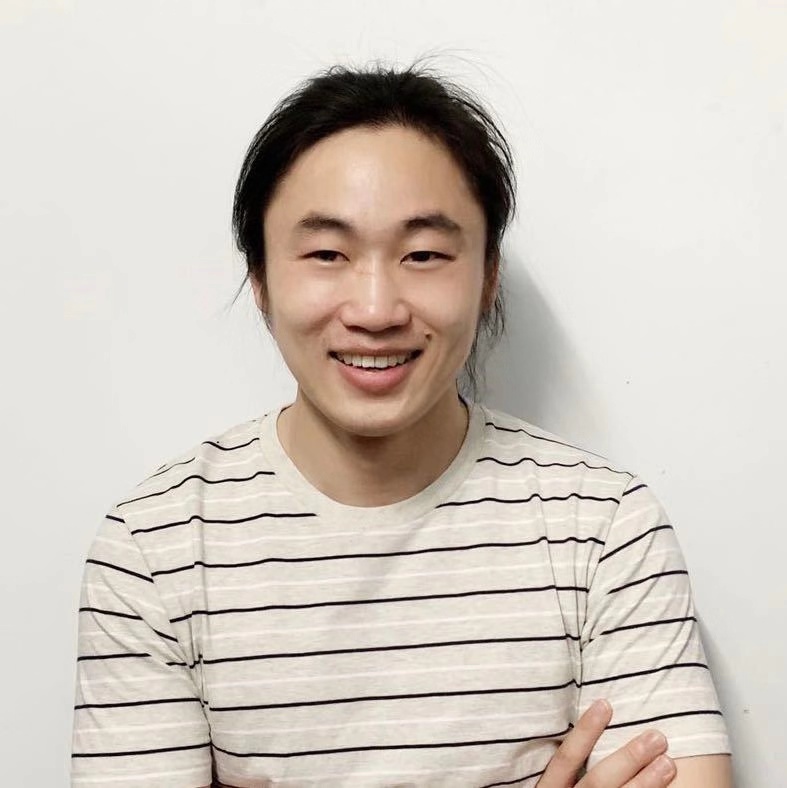
Speaking on behalf of Professor Angela Yao. Research on video understanding, temporal action segmentation, and procedural activity modeling.
HOUR welcomes original research, benchmark and dataset studies, diagnostic analyses, position papers, and works in progress.
Submissions should be a maximum of eight pages, excluding references, following the official WACV format. Six-page papers are recommended.
New contributions: up to four pages, excluding references, in the WACV format. Previously accepted or published papers may retain the format and length of their accepted or published version; the four-page limit does not apply to these papers.
Review: Submissions must be anonymized for double-blind review and must not be already accepted for publication or under review elsewhere.
Publication: Accepted archival papers will be eligible for publication in the WACV 2027 Workshop Proceedings.
We welcome ongoing research, preliminary results, and previously accepted or published work, including papers accepted to the WACV main conference, for presentation and discussion at the workshop.
New contributions: Submit extended abstracts or short papers of up to four pages, excluding references, using the WACV format. These submissions should be anonymized for double-blind review.
Previously accepted or published papers: These may be submitted in the format and length of their accepted or published version. The four-page limit applies only to new contributions. Please clearly indicate the original venue and publication status. These submissions do not need to be anonymized and will be screened by the organizers for relevance and suitability for presentation, rather than undergoing another full technical review. Authors should ensure that presentation at the workshop is permitted by the original venue’s policies.
Non-archival contributions will not appear in the workshop proceedings.
Submission site: Submit your paper through the HOUR OpenReview venue.
Author guidelines: All authors must have a complete OpenReview profile before submitting. Please follow the WACV 2027 OpenReview profile guidance. New submissions should use the official WACV 2027 LaTeX author kit. Previously accepted or published papers submitted to the non-archival track may retain their original format.
Authors may optionally upload supplementary material through OpenReview as a separate PDF or ZIP file, up to 50 MB, by the submission deadline. Supplementary material accompanying submissions for double-blind review must also be anonymized. The main paper should be self-contained.
Workshop website and call for papers live
Paper and extended-abstract submission deadline
Author notification deadline for archival papers
Accepted-paper metadata due to WACV Workshop Chairs
Camera-ready deadline for archival papers
HOUR at WACV 2027
Deadlines are based on the WACV 2027 workshop timeline. Additional submission dates will be announced.
Exact times and presentation titles will be added after WACV assigns the workshop session.
Opening remarks and framing questions for HOUR
Perspectives spanning human-centric vision, motion, egocentric understanding, and embodied AI
Selected archival and non-archival contributions
Interactive presentation of accepted work
Workshop summary and future community activities
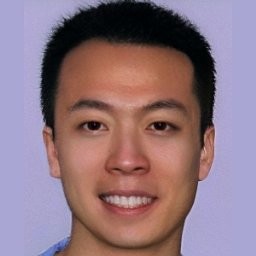
Works on robust human-centric AI, computer vision, and multimodal foundation models.
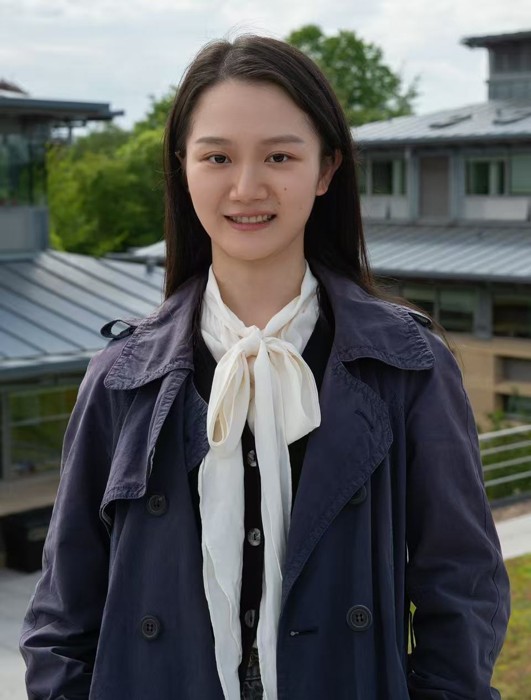
Works on vision-language methods for human-object interaction and affordance grounding.
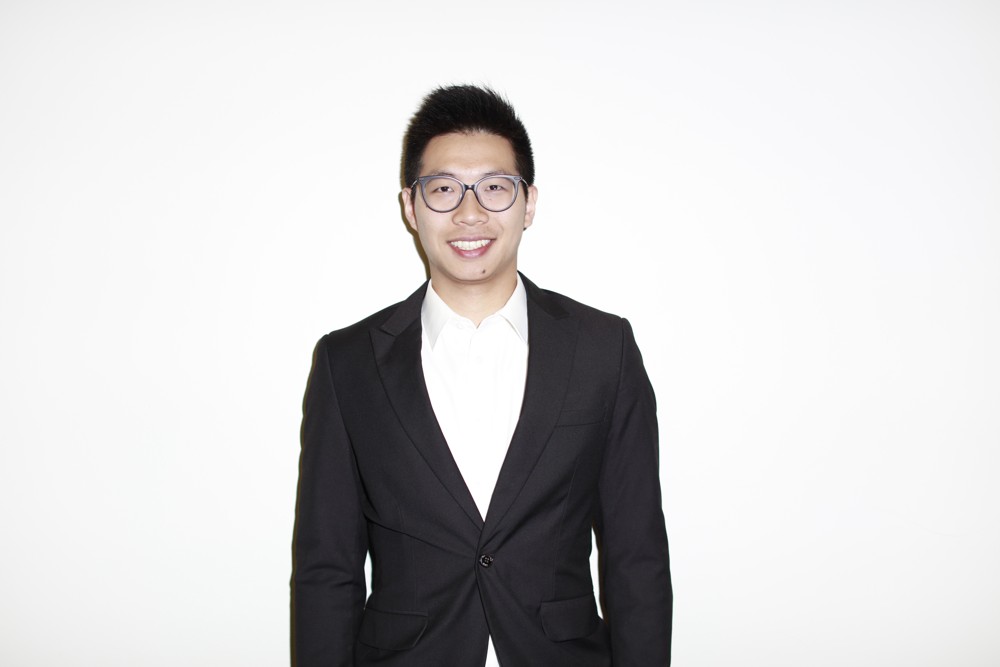
Works on robust foundation-model adaptation, continual learning, and robotics.
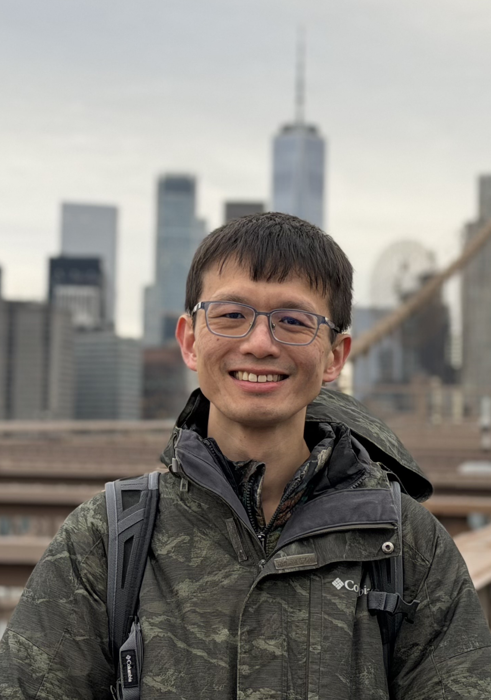
Works on machine learning, computer vision, autonomous driving, and reliable AI.
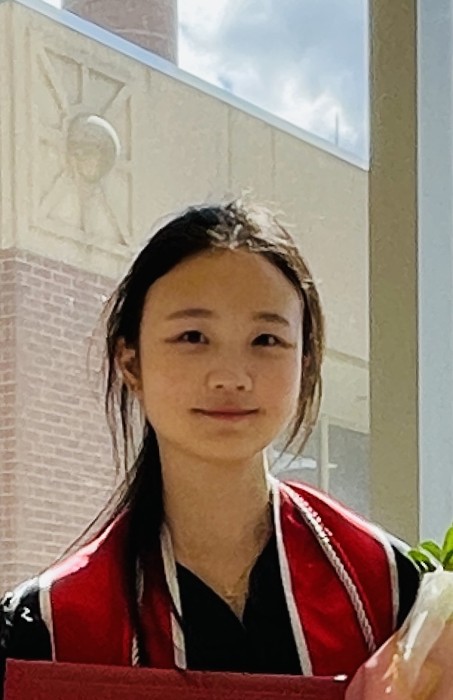
Works on human-object interaction detection, evaluation, and benchmark development.
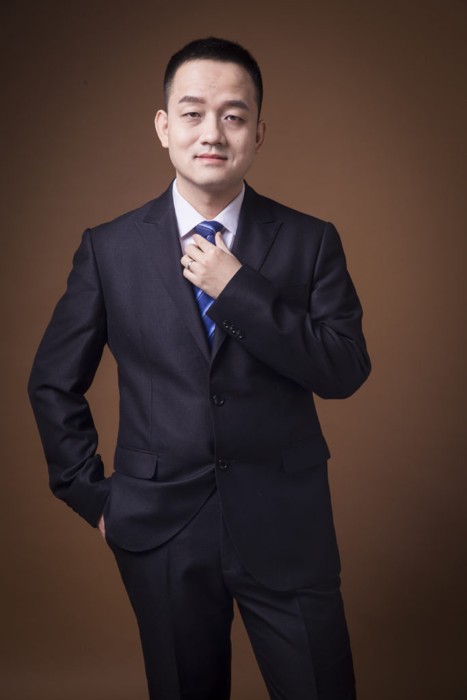
Leads research on healthcare AI, multimodal learning, and foundation models.
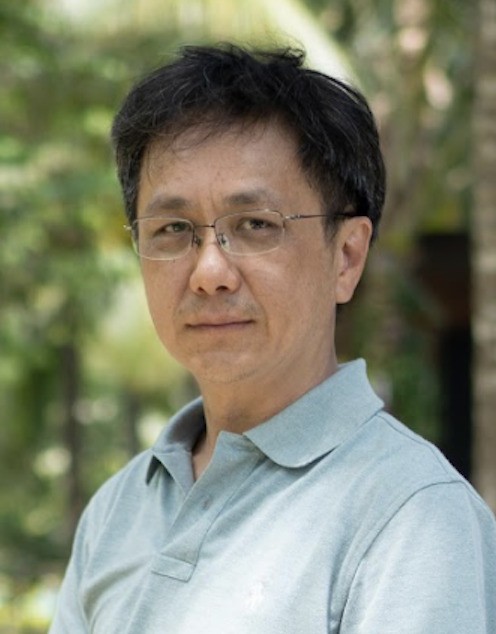
Works on computer vision, deep learning, generative AI, and robust visual understanding.
We welcome researchers with relevant expertise to contribute to HOUR as reviewers. Reviewer selection and assignments will be based on expertise, conflicts of interest, and submission needs. Reviewers who complete their assignments will be acknowledged as members of the HOUR Program Committee after the review process.
For workshop and submission questions, contact the organizing team.
hour.workshops@gmail.com